


Portugal’s coach wars – why two of its major coach companies are taking their case to parliament
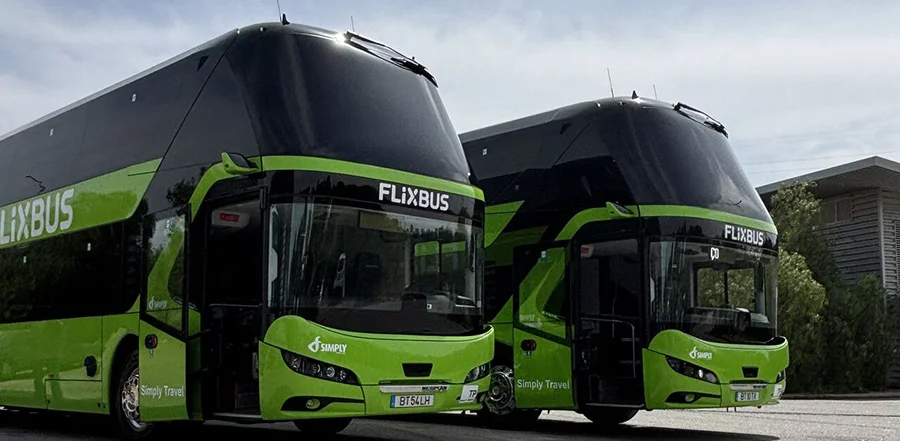
The stage has been set for a war between two of Portugal’s largest commercial coach companies . RedeExpresso and Flixbus – over access to Lisbon’s main coach terminus at Sete Rios.
Up until fairly recently, the coach terminus, which supports a motorway network of routes all over Portugal, has been dominated solely by one key player – the coach company RedeExpresso. But a rival coach company, Flixbus demanded that it too could use the capital’s busiest bus terminus.
Now a standoff between the two rivals has led to a showdown over access between the two companies, drawing in two associations and three regulators (AdC, AMT and IMT), and the country’s parliament with hearings on Tuesday and Wednesday this week.
Now the government, which is eying the situation closely, is mulling a review of the existing legal regime governing who can and who cannot explore the coach terminals.
As for RedeExpresso, it insists on refusing access to the competition at Sete Rios coach terminal in Lisbon arguing it wouldn’t’ be viable for two companies while adding that it would put the safety of passengers, staff, drivers and goods at risk.
It has also said that it has appealed against the decision to allow the two companies to operate from the one terminus to Portugal’s Transport and Mobility Authority (AMT) after it was decided in May that there was enough capacity for the two companies to operate their services from the terminus.
And as for the German-owned company FlixBus, which reckons that it will suffer losses of €12 million plus because it is being effectively shut out from using the terminus, it has slapped a legal injunction against the rival Portuguese express coach group controlled by the Grupo Barraqueiro for “permanently refusing FlixBus coaches entry into what is Lisbon’s largest and most important coach terminus.
It remains to be seen what the courts and the Portuguese parliament will eventually rule on the dispute with or without government intervention.