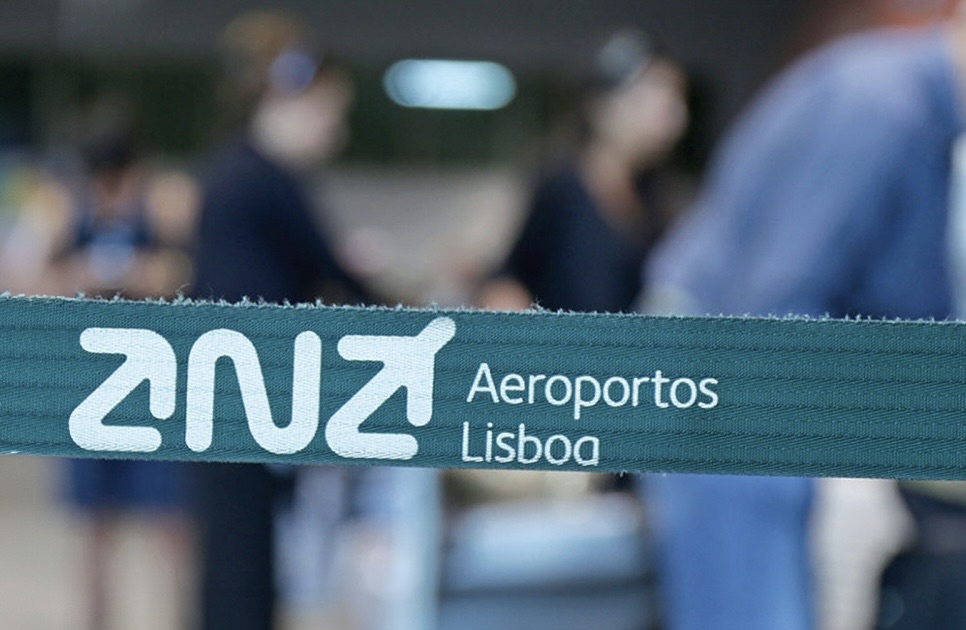



Lisbon airport dissolves into chaos with fisticuffs and people missing flights over new security system teething problems
Text: Chris Graeme; Photo: ANA
Reports have to been coming in from travellers flying out of Lisbon to non-Schengen destinations that queues and waiting times at passport control are so long that “fights have been breaking out” with passengers waiting up to 90 minutes with the result that already stressed passengers are either only reaching their boarding gates at the last minute or, in some cases, actually missing their flights altogether.
It’s not a new story but new EU immigration and security laws and labour strikes have combined with ongoing expansion works at Lisbon’s constricted airport, which has been at overflowing capacity for years, to create a perfect storm.
This Monday, a new passport control system was put into operation for the first time at Lisbon’s Humberto Delgado International Airport, but by Tuesday the situation was intolerable with long queues of irate passengers.
The PSP police, who are responsible for managing passport control and security at the airport, admitted on Tuesday that they had suffered a “critical day” at the airport with passengers from outside the European Union waiting more than 90 minutes both at departures and arrivals because of this new passport control system which is meant to ensure people are legally in the country and don’t outstay their welcome.
An awful impression
One US passenger, a leading light at the American Club of Lisbon where she is a director, and who also runs a successful bespoke and curated travel experience agency for discerning US travellers, Sheree Mitchell, founder and president of Immersa Global has been at the forefront of such hair-raising delays.
“Outbound passport control wait times for non-EUU passport holders traveling out of Lisbon to non-Schengen countries are ridiculously bad and causing people to miss flights”, she said.
“This gives an awful last impression for non-EU visitors to Portugal and for anyone coming to the country to spend possibly thousands of euros here,” she says, adding that her clients have reported “fights breaking out in the queues”.
“I had my own close call last month and nearly missed a flight” says the seasoned traveller who has visited over 45 counties as the founder of a company that executes award-winning tailor-made travel programmes and boutique events for affluent clients, as well as being a regular speaker on luxury tourism, culinary and wine travel, and sustainable travel trends, not to mention being a tireless ambassador for all the best that Portugal has to offer for visitors.
Checked luggage hauled off flight
Another disgruntled passenger complained that after over 70 minutes at passport control they and another couple had nearly missed their flight and it was only because British Airways took the decision to hold the flight for her and one other couple in 1st class that they made it.
“Others were not so fortunate as was evidenced by the dozen or so pieces of checked luggage taken out of the hold”.
“Today was a critical day, without a shadow of doubt”, said the Adjunct National Director of the PSP and boss of the National Unit for Foreigners and Borders (UNEF), João Ribeiro, in a statement to the news agency Lusa, admitting to the queues of non-EU passengers waiting 90 minutes or more for processing and security checks at both arrivals and departures.
A new European border control system for non-EU citizens has been in operation in Portugal and other Schengen countries since Sunday. It electronically records the entry and exit of travellers from third countries, indicating the date, time and border post, replacing the traditional stamps in passports. But it seems system teething problems or lack of training, or both might be to blame.
On Monday, the Internal Security System (ISS) highlighted the successful launch of this new system, but on Tuesday the situation changed, with tens of thousands of foreign citizens from outside the EU departing and arriving at Lisbon airport kept waiting.
Flights missed and cancelled
According to the head of the PSP’s UNEF, Tuesday was the day with the most flights to and from the Schengen area (European area of free transit of people and goods) and the new Entry/Exit System (EES) required a longer “processing time at the border”.
“Today (Tuesday), looking at the period in which I have been in this role; for over a year; has been the most challenging day to date due to the volume of passengers in departures and arrivals, which is requiring a great deal of effort and commitment of resources,” stressed João Ribeiro.
The deputy national director of the Public Security Police stressed that “anything over 90 minutes” constitutes a “risk to passengers, the experience is negative, there are flights that are missed and there are flights that can be cancelled.”
João Ribeiro added that Tuesdays were always the most challenging day with tens of thousands of overseas passengers embarking and disembarking from flights at Lisbon airport, particularly in the mornings.
“We’ve had technology challenges and the time taken to process passengers has increased substantially and we just can’t cope,” he admitted.
Gauging that the passport control positions would have to be doubled, including PSP staff manning the positions, to meet the demand, João Ribeiro admitted that “there is no space at the airport” for this.
He added that all the passport control booths were manned and that the airport resources were “over 100%” but that had not prevented “waiting times of over 90 minutes.”
The EES is supposed to represent “a historic milestone in the management of the European Union’s external borders and a fundamental advance in the modernisation and digitisation of border control,” which will “gradually replace the old manual procedures for stamping passports with an automated electronic registration, contributing to a tighter, efficient and secure control.”
In Portugal, the implementation of the system is ensured by the SSI, in conjunction with the PSP, the GNR police, ANA – Aeroportos de Portugal (which manages Portugal’s airports), the port administrations and the National Civil Aviation Authority.
But either staff and passengers are having teething problems getting to grips with the new system, or there clearly are insufficient automated posts to process the sheer volume of passengers. The result – chaos and complaints which one can only hope will get ironed out soon.