


Portugal’s tax burden would rise to 43% of GDP without immigrants
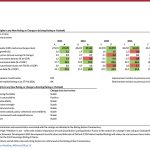
As the government supported by populist party Chega is preparing to restrict immigration, a study has shown that reducing immigration to ‘zero’ would mean putting up taxes by 7.9% in Portugal to ensure the sustainability of public accounts.
Immigrants offset almost all of the cost of aging – a problem that in Portugal is among the highest in the Euro Zone.
The ‘paper’ was produced by the economists Francisco Franco, Luís Teles de Morais (both from Novo SBE) and Tiago Bernardino (IIES – University of Stockholm) who recently published the study ‘The Cost of Building Walls: Immigration and the Burden of Ageing in Europe on Budgets’.
In the paper, the authors begin by calculating the impact of ageing on public accounts which they believe represents one of the biggest challenges for advanced economies, particularly in Europe where over the past few decades the proportion of the working population has declined because of falling birth rates and rising average life expectancy.
Slashing inward immigration would have a significant impact in Portugal where in order to ensure the sustainability of the public accounts in the face of an increasingly ageing population, an additional budgetary adjustment of 2.9% of GDP would be needed, whereas the continued flow of inward migration would keep it stable at 0.5% to 2100.
And cutting immigration to ‘zero’ (a hypothesis that frankly is absurd and would haver happen* – Editor’s note) would push up Portugal’s budgetary effort to 10.8% of GDP, meaning a further 7.9% of GDP supported by the existing population as the government would have to both cut services and raise taxes.
In simple terms, the average person would have to fork out an extra €1,700 per year in taxes snd contributions, according to Luís Teles Morais.
Source: Negócios