


Portugal’s banks will pay for Novobanco bailout for 30 years
In an interview with the newspaper Observador, the CEO of bank BCP has claimed that it “wasn’t the Portuguese tax payers” that paid the resolution costs of Novobanco but rather the banks which will spend the next 30 years paying it off.
When people talk about the costs to the tax payers for funding Novobanco (from the Resolution Fund), there’s some confusion”, says Miguel Maya. “The tax payers were us, not the citizens,” he said.
The Resolution Fund, primarily funded by contributions from Portuguese banks and a levy on the banking sector, did initially pay for the resolution of Novo Banco.
However, because the Resolution Fund lacked sufficient funds initially, the Portuguese State provided a temporary loan of €4.5Bn to the fund which was used to pay up Novo Banco’s equity.
Later, Lone Star Funds acquired a 75% stake in Novo Banco, while the Resolution Fund retained a 25% stake.
The Resolution Fund’s shareholding was held through a combination of its own resources and a portion owned by the Direção-Geral do Tesouro e das Finanças (The Treasury and Finance Directorate).
The Resolution Fund’s resources came from contributions from its bank member institutions and a levy on the banking sector, with the State also recouping some funds through the sale of 75% of Novobanco in 2017 to Lone Star.
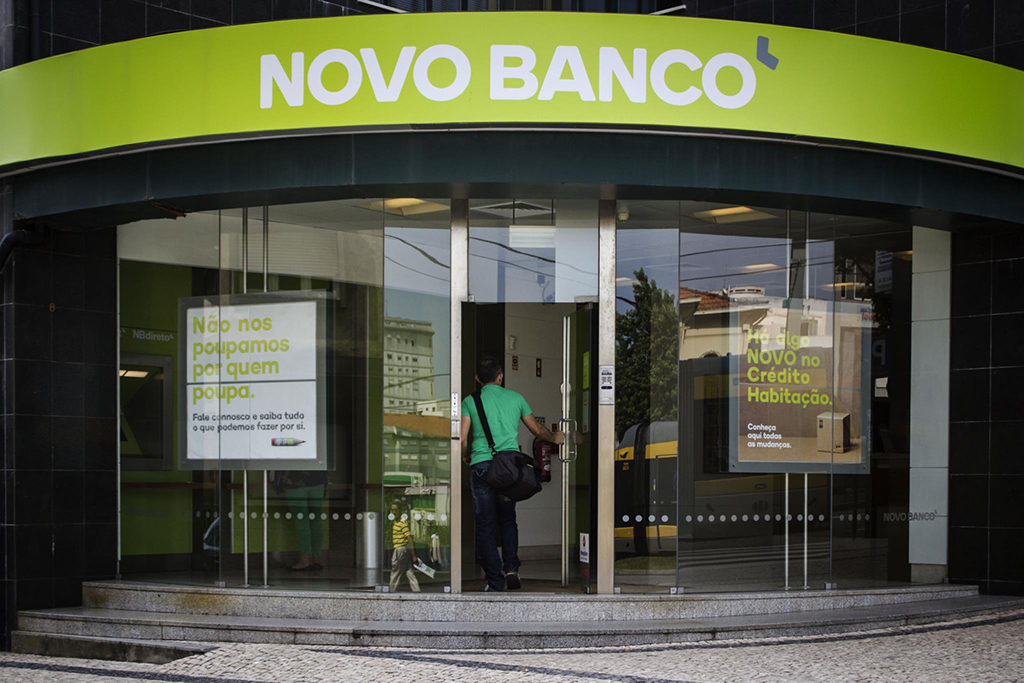
In June this year, French banking group BPCE agreed to acquire Novobanco – Portugal’s fourth-largest bank – in a deal valuing the lender at €6.4Bn, marking Europe’s largest cross-border banking acquisitions in over a decade.
That said, the collapse of Banco Espírito Santo (BES) – from which Novobanco was created in 2014 – has cost the Portuguese taxpayer (and not just the banks) approximately €8Bn, according to various news reports.
This cost primarily stems from the injection of public funds by the Resolution Fund to restructure the bank. This figure may not be final, as ongoing legal cases and the bank’s debts continue to pose potential future costs which could increase the final cost to as much as €11Bn. (State, tax payers and the banks)