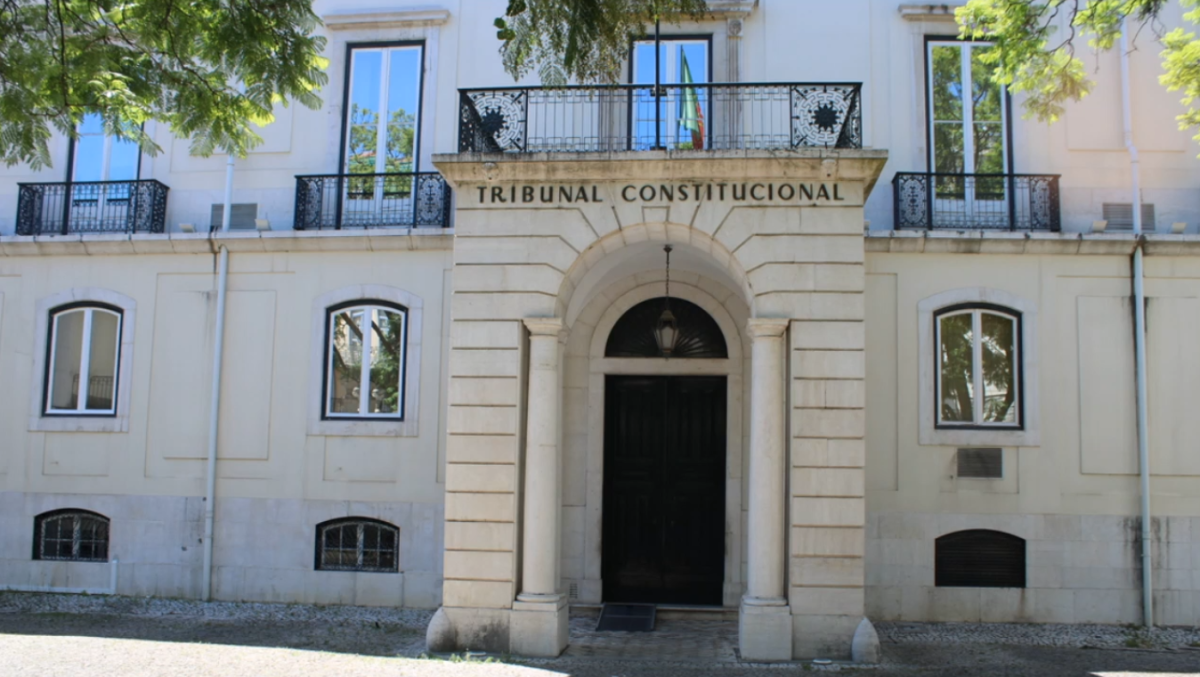



Constitutional Court says parts of Portugal’s new Nationality Law “unconstitutional”
Judges sitting at Portugal’s Constitutional Court ruled this Monday on the Nationality Law, pointing out several rights that are not guaranteed.
It means that the law will now be sent back to the Portuguese parliament for review and discussion.
The issues revolve around requests for preventative inspections submitted by Socialist Party (PS) which the court has ruled to be unconstitutional.
Portuguese citizenship is currently regulated by the Nationality Law (Law No. 37/81), which has been amended several times, the latest change being made on October 28, 2025.
Now it has ruled against four of the seven contested nationality law provisions while upholding the new 10-year period to citizenship.
However, confusion still reigns over from what date residence counts and which applicants receive transitional protections.
Court Judge José João Abrantes handed down the ruling following two Socialist Party requests filed in November.
According to RTP, the judges were unanimous on three of the four nationality law provisions.
The court rejected automatic citizenship denial for criminal convictions exceeding two years.
It also ruled against “vaguely defined fraud language” preventing nationality and rejected provisions allowing nationality cancellation for “undefined rejection of national community” behaviours, as well as throwing out rules that would assess pending applications under requirements at application submission rather than decision dates.
The court also ruled against a separate Penal Code decree that would have established loss of nationality as an accessory penalty for serious crimes.
Portugal’s parliament had approved the reforms on October 28 with 157 votes from PSD, Chega, IL, CDS-PP, and JPP against 64 opposing votes. The law extends naturalisation timelines from five to ten years for non-EU, non-CPLP nationals. The 157-vote margin exceeds the two-thirds threshold permitting legislative confirmation despite constitutional court objections.
Source: SIC Notícias