


Portugal’s banks approve new supervisor
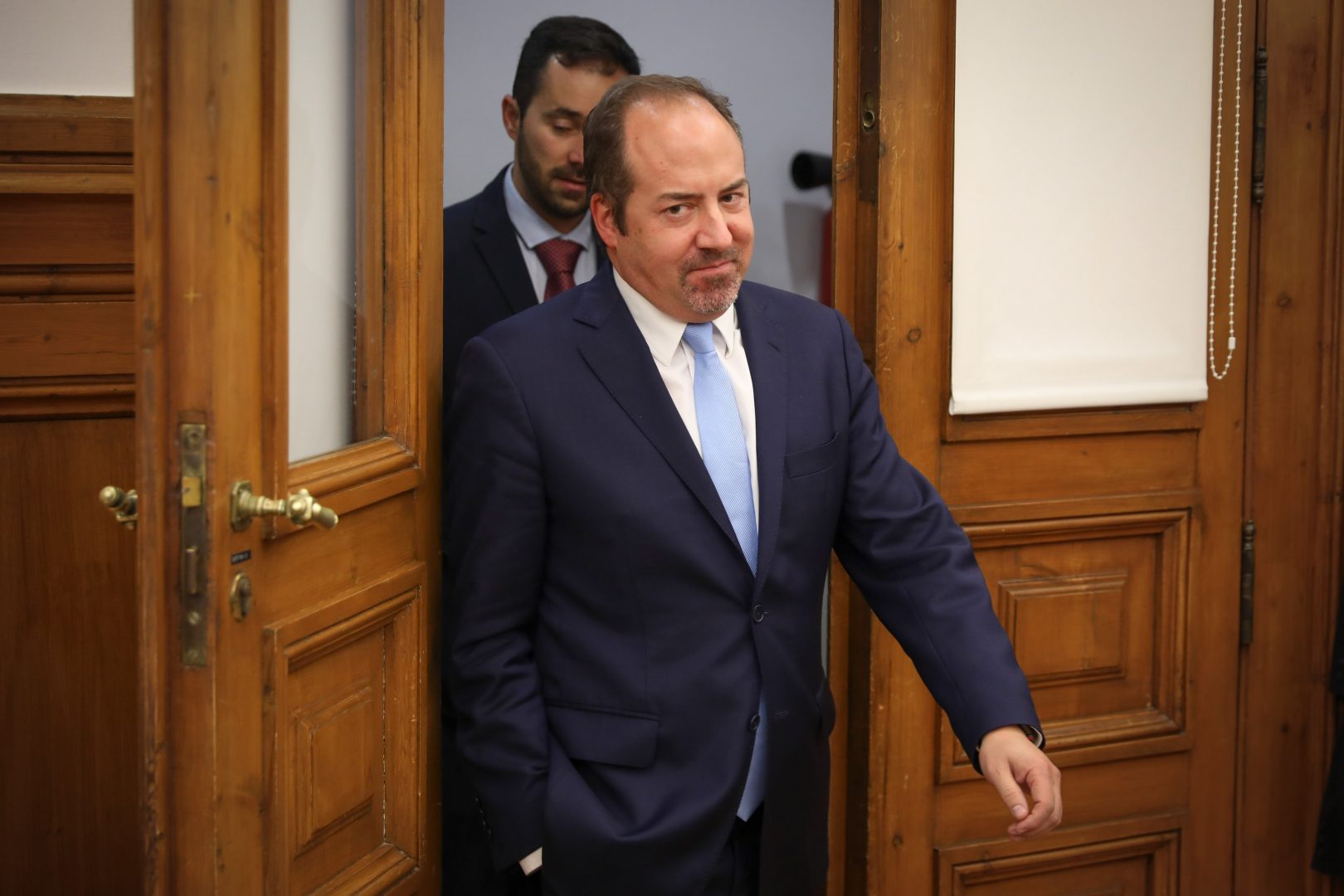
Álvaro Santos Pereira, an ex-Minister of the Economy (2011-2013) under a past PSD headed coalition government led by Pedro Passos Coelho, has been appointed the new governor of the Bank of Portugal.
An unnamed banker consulted by the online news source ECO admitted that he had “an academic curriculum and professional career that supported his appointment” and “he has, in my opinion, the conditions to successfully carry out the role”.
Another banker did not have a firm opinion about Álvaro Santos Pereira. “I don’t know him well, but he seems to be a very good economist,” while doubting the importance of a central bank governor when the real power for regulation and supervision lies with the European Central Bank and within the framework of the European System of Central Banks.
The banker asked: “These days what is the real relevance of the Bank of Portugal? Who really calls the shots at the Bank of Portugal? Does it really have an impact?
The economist and Novo SBE professor, António Nogueira Leite, said that the new governor seemed to have the “independence required” of the role, and that even when Santos Pereira was minister of the Economy he had never been seen as a mere rubber stamp for the government, and had even caused “some incomprehension for being so independent”.
“He clearly has the skills to be the governor and in practice the independence and courage of Santos Pereira will be tested”, he said.
The President of the Portuguese Banking Association (APB), Vítor Bento, in an interview with Antena 1/Negócios was more low key in his opinions, merely saying he was “available to collaborate with the next governor” but did say that the prevailing opinion about the performance of the outgoing governor, Mário Centeno had been “positive”.
Pedro Brinca, a researcher and economics professor at Nova SBE with links to Novobanco said that the ideal candidate would be one that was not affiliated to a political party, but admitted that 12 years was enough to separate Álvaro Santos Pereira from his time in government, adding that around half of all the central bank governors in the Euro Zone had, at one time or another, exercised roles in governments in their past. “It’s not particularly unusual”, he said.
One thing is certain, Álvaro Santos Pereira, who is the Chief Economist at the OECD, had not been the first choice for the role, but from a technical point of view, he is considered independent.
And another is that he will not be able to reshuffle the Bank of Portugal’s board or administration since the law does not permit a newly-appointed governor to influence administrative appointments which are left in the hands of the government.
The current appointees will remain until the end of their terms, including that of the second Vice Governor, Clara Raposo, and directors Helena Adegas and Rui Pinto whose terms are up in 2027, and the other current vice-governor, Luís Máximo Santos whose term ends in June, 2026.
The central banks of EU Member States do have some powers at a local level, but those powers are exercised within the framework of the European System of Central Banks (ESCB) and the European Central Bank (ECB). While the ECB has primary responsibility for monetary policy in the Eurozone, national central banks play an important role in implementing those policies and managing their respective national economies.
Photo: Lusa, Miguel de Almeida.